
News & Events
Protecting the Earth for Future Generations: Eagle Manufacturing Sustainability Journey (2025) Benchmarking the Achieved milestones referencing to 2020
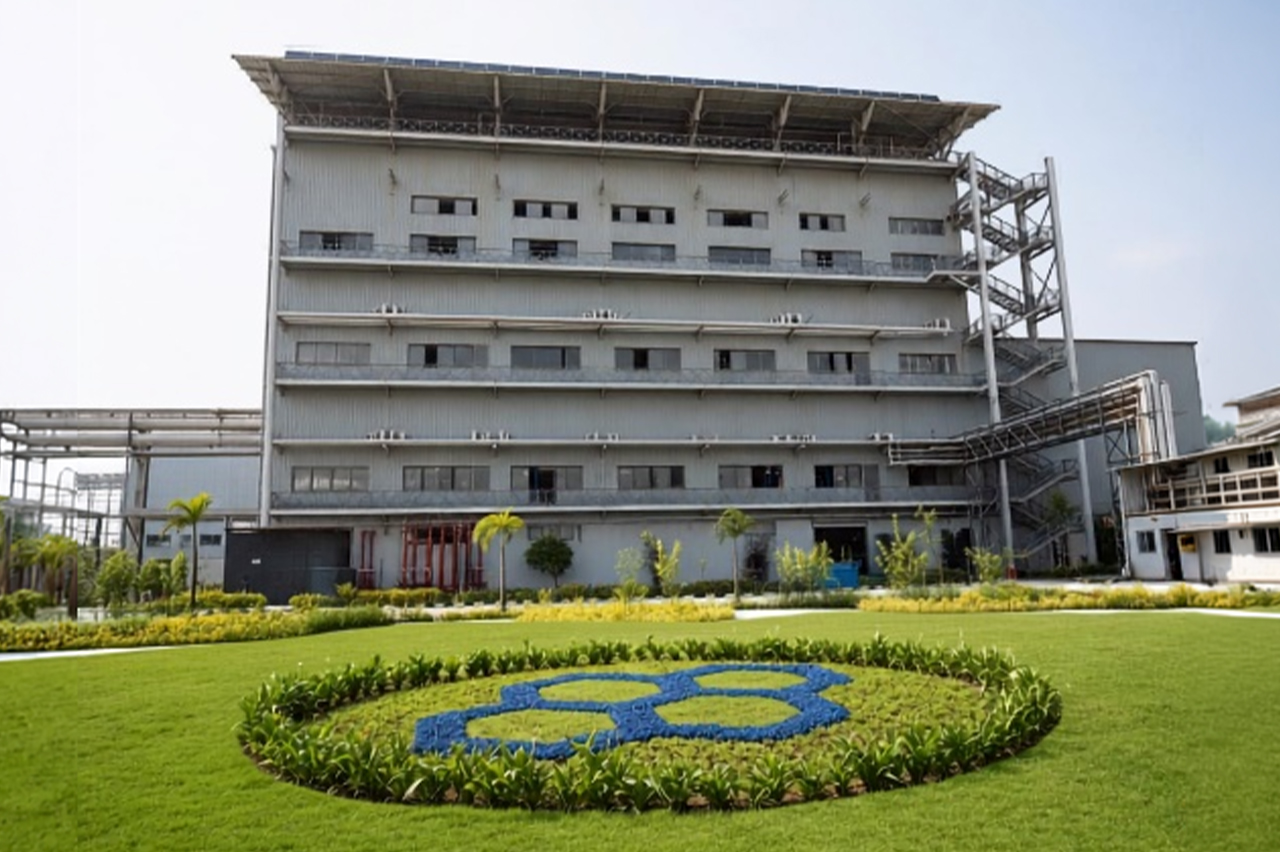
Sustainability at Eagle Manufacturing is not a trend, it’s a long-term commitment embedded into how the company operates, innovates, and grows. Since planting the first ideas during the construction of Factory V2 in 2015, Eagle officially launched its sustainability journey in 2020, setting that year as a benchmark to measure progress and impact.
Driven by a strong sense of environmental, social, and business responsibility, Eagle’s sustainability strategy focuses on protecting natural resources, maintaining ecosystem balance, ensuring healthier lives for future generations, and creating value for employees and stakeholders alike
Tracking Our Impact: Carbon Footprint & CO2 Reduction
To protect the Earth, we must be honest about our impact. This is why Eagle has taken a major step forward by calculating our total Carbon Footprint. We followed the international standard ISO14064-1 as a guide for us to identify our Scope 1 emissions (direct impact from our own operations) and our Scope 2 emissions (indirect impact from the electricity we purchase). For our main site, we have established our base-year and its total Carbon Footprint emissions was 9,824 mtCO₂e.
This number is more than just a data point; it is our starting line. By understanding exactly where our emissions come from, we have built a clear CO2 Reduction Plan. This roadmap focuses on cutting our footprint through smarter technology and a transition to more renewable energy.
For Eagle, this isn’t just about filing a report, it’s about taking active, measurable steps to shrink our environmental impact every single year.
Energy Efficiency & Renewable Energy
Energy optimization has been a cornerstone of Eagle’s environmental strategy, with consistent and measurable improvements over time.
Key Milestones Achieved:
• 20% reduction in energy consumption per ton vs. 2020
• Green energy now accounts for 415 KVA using solar panels
Automation & Smart Manufacturing
Eagle continues to invest heavily in automation to enhance efficiency, quality, and sustainability.
Key Milestones Achieved:
• 8% increase in automation levels
• 3,450 control points and instruments integrated under PLC / DCS system
• Faster production cycle time while keeping our consistent quality
Automation not only boosts productivity—it also plays a critical role in reducing environmental impact.
Water Management & Irrigation
Water stewardship is essential in sustainable manufacturing, and Eagle Chemicals has made notable progress in this area.
Key Milestones Achieved:
• 10,000 m² of green areas, a 30% increase
• 17% of treated water are reused for irrigation
This closed-loop approach significantly reduces freshwater demand while supporting greener factory environments.
Waste Management & Circular Economy
Eagle has adopted strong reuse and reduction practices, particularly in packaging materials.
Key Milestones Achieved:
Reused Drums
• 1.3 million drums reused cumulatively
Reduced Drums
• 760,000 drums
These initiatives demonstrate Eagle’s commitment to minimizing waste and promoting circular resource use.
Human Responsibility & Social Sustainability
Sustainability at Eagle goes beyond the environment—it strongly embraces people, governance, and community development.
Digital Transformation & Governance
Milestones:
• Migration to a fully digital HRIS system with end-to-end digital payroll, attendance, leave, and employee requests
• Improved transparency, governance, and data accuracy
Workforce Development
Milestones:
• 100+ blue-collar employees trained across:
• Safety
• Leadership
• Technical and skill development
• Long-term investment in inclusive human capital growth
What’s Next on Eagle’s Sustainability Roadmap
Looking ahead, Eagle is focused on scaling impact and achieving higher sustainability standards:
• Full automation of production cycles from PLC to DCS
• Enhanced cooling capacity to improve production efficiency
• Increased bulk material transportation to reduce drum usage
Renewing Youth Like the Eagle
Eagle Manufacturing’s sustainability journey is one of steady progress, measurable impact, and long-term vision. By integrating environmental responsibility, smart technology, and human-centered initiatives, Eagle continues to build a resilient, efficient, and future-ready organization—one that truly protects the earth for generations to come.
 View All